
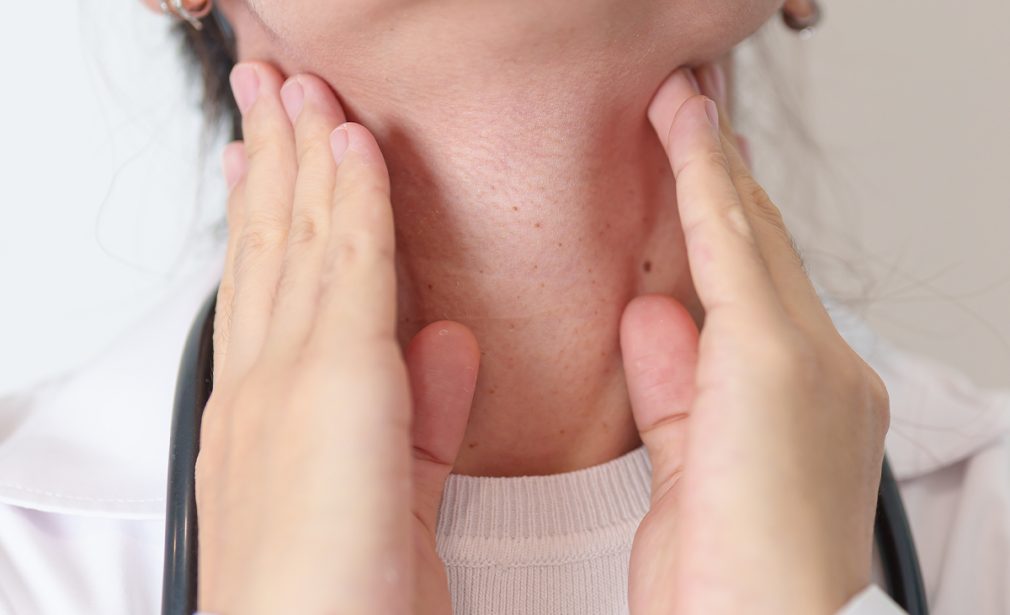
Salivary Glands
Th The salivary glands are responsible for producing and secreting saliva in the mouth. Saliva is very important for starting the digestion process and maintaining the health of the mouth and teeth.
They are divided into major salivary glands and minor salivary glands:
1- Major Salivary Glands (Three main pairs)
- The largest salivary gland, located in front of and below the ear.
- Its secretion is rich in digestive enzymes such as amylase.
- Submandibular gland.
- The smallest of the major glands, located directly under the tongue.
- Located beneath the lower jaw.
- Its secretion is a mixture of watery and mucous saliva.
- Sublingual gland
- Its secretion is mostly mucous.
2- Minor Salivary Glands
- Found in the lining of the lips, cheeks, palate, and tongue.
- Secrete small amounts of saliva continuously to keep the mouth moist.
Functions of the Salivary Glands
- Functions of the Salivary Glands.
- Moistening food to facilitate swallowing.
- Starting the digestion of starches with the enzyme amylase.
- Moisturizing and protecting the mouth from dryness.
- Protecting teeth and gums from bacteria and acids.
- Assisting in the sense of taste.
Common Diseases and Problems
1- Parotid gland inflammation
- May be viral (e.g., mumps) or bacterial.
2- Obstruction of the salivary ducts
- Caused by small stones (salivary calculi).
3- Tumors
- Most are benign, but some can be malignant.
4- Dry mouth
- Caused by conditions like Sjögren’s syndrome or as a side effect of certain medications.
Causes
1- Causes of salivary duct obstruction
- Viral infection such as mumps.
- Bacterial infection due to duct obstruction or weakened immunity.
- Chronic inflammation caused by autoimmune diseases.
2- Causes of salivary duct obstruction
- Salivary gland stones (calcium deposits blocking saliva flow).
- Caused by small stones.
- Narrowing or deformity of the salivary duct.
- Previous injuries or surgeries in the mouth or neck.
3- Causes of tumors
- Mostly unknown, but may include:
- Long-term radiation exposure to the head and neck area.
- Smoking and alcohol consumption.
4- Dry mouth
- Medications (diuretics, antidepressants, allergy medications).
- Autoimmune diseases such as Sjögren’s syndrome.
- Dehydration due to insufficient water intake.
- Dehydration due to insufficient water intake.
- Aging, which reduces gland activity.