
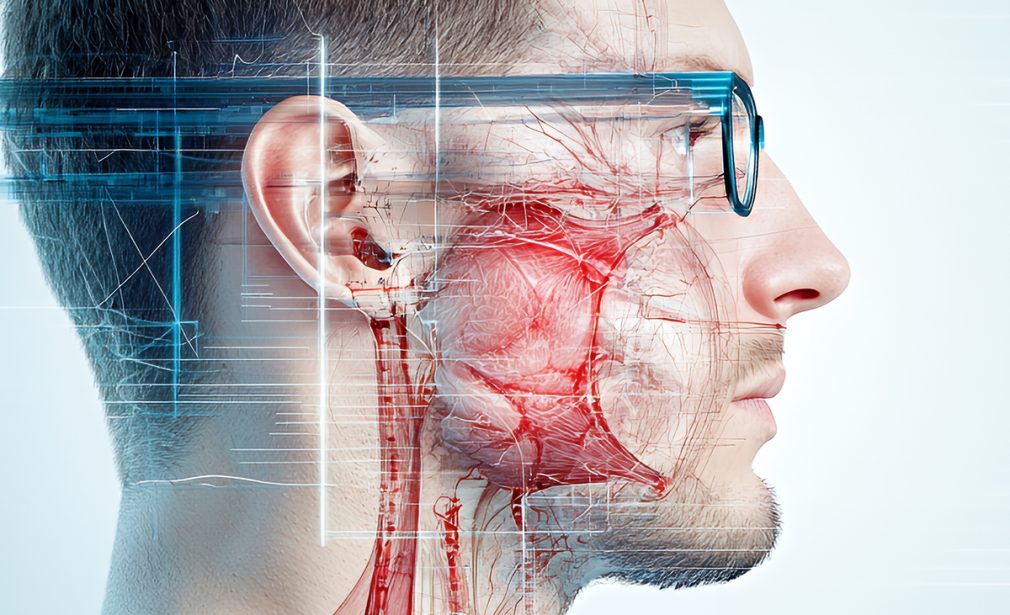
Facial Tumors
Facial tumors are masses or abnormal growths in the tissues of the face. They can be:
- Benign: Do not spread to other organs and usually grow slowly.
- Malignant: Can spread to other areas of the body (cancerous).
- They may appear in the skin, muscles, salivary glands, bones, or supporting tissues.
Possible Causes
- Salivary gland tumors (e.g., parotid gland tumor).
- Skin tumors (e.g., basal cell carcinoma, squamous cell carcinoma).
- Vascular tumors (e.g., hemangiomas).
- Sebaceous or keratin cysts.
- Bone tumors in the jaw or facial bones.
- Tumors resulting from old injuries or chronic infections.
Symptoms
- Swelling or a lump in the face.
- Pain or numbness.
- Change in facial shape or difficulty moving the face.
- Ulcers or skin discoloration.
- In some cases, difficulty chewing or speaking.
Treatment Options
- Surgery: Complete removal of the tumor.
- Radiotherapy: Used for malignant tumors or after surgery to prevent recurrence.
- Chemotherapy: For widespread cancerous cases.
- Regular follow-up: Especially for benign tumors that may recur.
Diagnosis
- Clinical examination.
- Imaging (CT scan, MRI, or simple X-rays).
- Ultrasound, especially for salivary glands or superficial lumps.
- Biopsy (taking a tissue sample) for analysis.